











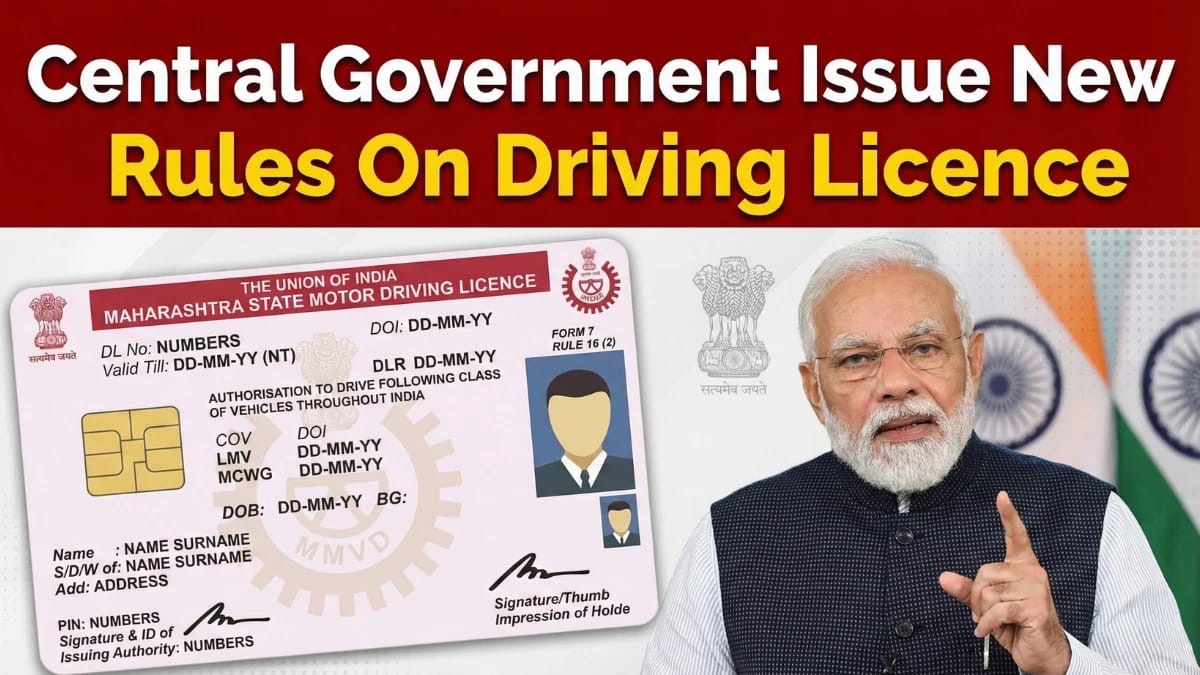
Amid escalating traffic incidents and to leverage digital technology for better compliance, the Indian Government has made sweeping changes to driving licence regulations which is set to come into effect in 2026. It reshapes how drivers across the country obtain, renew, and maintain their licences. These updated guidelines stem from a growing urgency to enhance road safety amid rising traffic incidents and to leverage digital technology for better compliance. Unlike previous incremental updates, this overhaul emphasizes stringent testing, tighter renewal protocols, and a strong push toward Aadhaar-based digital licensing. With these reforms, authorities aim to cultivate more responsible driving habits and reduce licence-related fraud, ultimately striving for safer roads nationwide.
As India is a witness to rapid urbanization and an expanding vehicle population, the need to modernize licensing has turned out to be critical. The Ministry of Road Transport and Highways spearheads these reforms, reflecting a strategic shift toward digital governance and stricter enforcement. For driver be it fresh applicants, seasoned licence holders, or commercial vehicle operators understanding the new rules is essential to avoid penalties and ensure uninterrupted driving privileges in the coming years.
Reportedly, the impetus for revising driving licence rules comes from multiple intersecting factors: an alarming rise in road accidents, gaps in enforcement, and increasing misuse of licences through forgery and duplication. Earlier regulations, though functional, lacked robust digital integration and often allowed for loopholes in verification processes. The new policies attempt to close these gaps by integrating Aadhaar verification and enhancing data sharing between licensing authorities and enforcement agencies.
This overhaul also aligns with India’s broader push toward digitization under initiatives like Digital India and the National Road Safety Strategy. According to transport experts, this isn’t merely a regulatory change but a systemic upgrade that will bring transparency and accountability into the licensing ecosystem. The changes are expected to set a precedent, encouraging other sectors to adopt similar digital-first approaches.
Among the most noticeable changes, new licence applicants will now experience a more rigorous testing process. The driving test will stress practical skills such as lane discipline, hazard recognition, and adherence to traffic signals, going beyond the basic knowledge-based assessments of the past. This heightened focus aims to ensure that only competent drivers earn their licences, thereby raising overall road safety standards.
News Edit KV Raman