









BREAKING: The Gulf states have told Washington that ending the war is not enough. They want Iran permanently degraded. But Reuters reports the United States can determine with certainty only that it has destroyed about a third of Iran’s vast missile arsenal.
The Gulf wants total security. America has delivered partial destruction. And Iran rebuilds.
Reuters reported on March 27 that four Gulf sources said any deal with Tehran must permanently curb Iran’s missile and drone capabilities and ensure global energy supplies are never again weaponised. UAE Ambassador Yousef al-Otaiba wrote in the Wall Street Journal: “A simple ceasefire isn’t enough. We need a conclusive outcome that addresses Iran’s full range of threats: nuclear capabilities, missiles, drones, terror proxies and blockades of international sea lanes.”
GCC Secretary-General Jasem Al-Budaiwi cited 5,000 missile and drone attacks on Gulf energy facilities, civilian infrastructure and maritime traffic per HuffPost citing Reuters. He said Iran has “crossed all limits.” Ebtessam Al-Kerbi, president of the Emirates Policy Centre, told Reuters: “The real challenge is not persuading Iran to stop the war, but ensuring the Gulf is not left exposed to the same dynamics that made it possible in the first place.”
Here is what makes this the most consequential diplomatic development of the war.
The Gulf is not asking for a ceasefire. It is asking for a new regional order. Otaiba’s column does not mention a pause or April 6. It mentions a “conclusive outcome” addressing nuclear, missiles, drones, proxies, and sea lane blockades simultaneously. That is not a war aim. That is a post-war constitution.
And America cannot deliver it. CENTCOM says it has degraded 90 percent of Iran’s missile launches. But Reuters, citing five people familiar with US intelligence, reports Washington can only confirm with certainty that about a third of Iran’s arsenal has been destroyed. The gap between 90 percent degraded and one-third confirmed destroyed is the gap between what CENTCOM reports and what CENTCOM knows. That gap is where the Gulf’s demands will collide with reality.
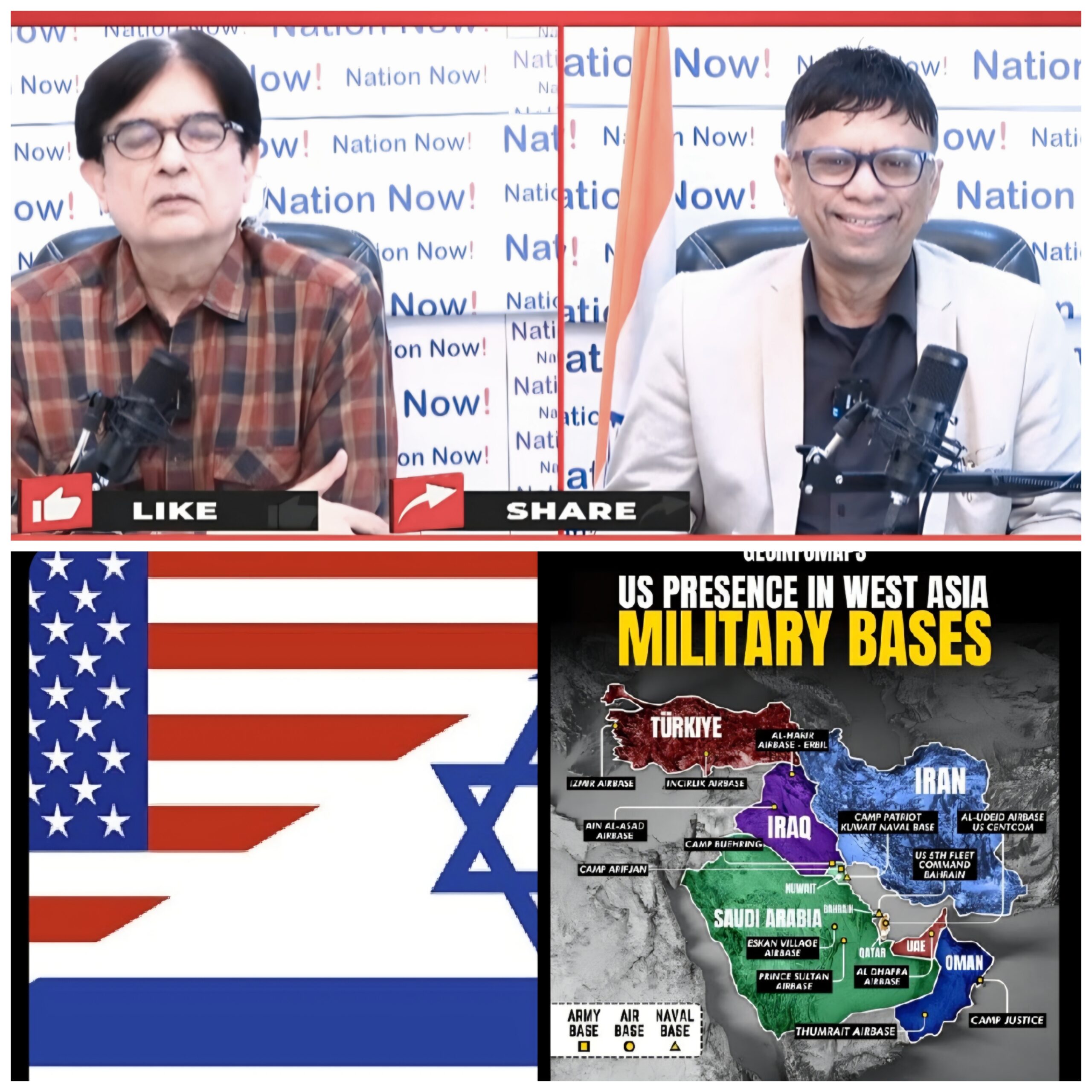
The Gulf states get 70 to 90 percent of their freshwater from coastal desalination plants. Bahrain’s main desalination facility has been hit. UAE plants at Taweelah and Jebel Ali have been targeted. Qatar’s Ras Laffan, which powers both LNG and linked desalination, suffered damage that will take three to five years to repair. These nations are not asking for abstract guarantees. They are asking because their drinking water is within range of Iranian missiles that America has confirmed destroying only a third of.
Abdulaziz Sager, chairman of the Gulf Research Center, said: “The United States protects its interests, and Israel’s. Now it is our turn to protect and defend ours.” Gulf officials told Reuters that Iran has left them no diplomatic off-ramp. Any agreement must guarantee the Strait of Hormuz is never again used as a weapon.
This is the structural contradiction at the heart of April 6. Vance is negotiating a deal. The Gulf says a deal is not enough. Iran says it will not negotiate. And America can only confirm it has destroyed a third of what makes all three positions irreconcilable.
The war does not end when the shooting stops. It ends when the Gulf believes it will never be shot at again. That requires something no air campaign has delivered: permanent degradation of a sovereign state’s military without occupation.
Full analysis: open.substack.com/pub/shanakaans…