





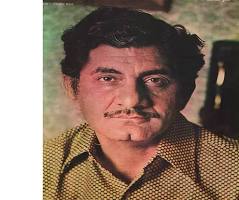
Hindi cinema has had many fine lyricists, but the heights Anand Bakshi achieved were unique. His story of struggle and success in cinema is a fascinating one.
Anand Bakshi’s contribution to Hindi cinema is frequently described as unparalleled or extraordinary due to his ability to blend profound emotion with simple, colloquial language that resonated with the masses.
When legendary lyricist Anand Bakshi first set his foot in Bombay (now Mumbai) in 1950s to pursue a career in filmmaking, he faced immense financial struggles. In the midst of his initial period of unemployment in 1958, Bakshi would sit at the Marine Lines railway station, where he wrote poetry in a notebook while looking for work.
His fortunes transformed when he caught up with Chitramal Swaroop, a Western Railway ticket collector who impressed by Bakshi’s poetry, offered him a place to stay at his Western Railway Staff Quarters in Borivali.
Bakshi lived with this family for nearly three years, receiving food and pocket money from Swaroop while he continued to meet directors and producers for work assignments.
He produced a vast repertoire of iconic songs for Hindi cinema and acknowledged for penning lyrics that resonated with the common person.
Some of his most celebrated songs include:
“Chitthi Aai Hai” from Naam
“Dum Maro Dum” from Hare Rama Hare Krishna
“Jai Jai Shiv Shankar” from Aap Ki Kasam
“Mere Sapnon Ki Rani” from Aradhana
“Yeh Kaali Kaali Aankhein” from Baazigar
“Tu Cheez Badi Hai Mast Mast” from
Mohra
Bakshi collaborated frequently with music directors like Laxmikant-Pyarelal and R.D. Burman. His work covers a wide range of emotions and themes:
“Ek Ajnabee Haseena Se”
Ajnabee
“Tere Mere Beech Mein”
Ek Duuje Ke Liye
“Jaadu Teri Nazar”
Darr
“Kabhi Bekasi Ne Mara”
Alag Alag
“Main Nikla Gaddi Leke”
Gadar: Ek Prem Katha
“Zindagi Ke Safar Mein”
Aap Ki Madam
News Edit KV Raman