



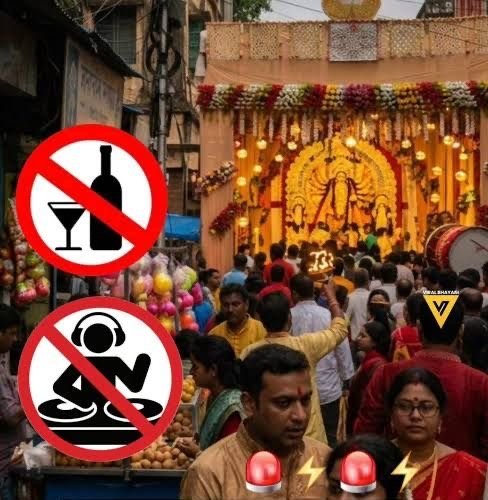
As the rhythmic beats of the dhol begin to echo across Maharashtra, a modern battle lines up against the ancient circular dance of devotion. The vibrant, inclusive spirit of Navratri faces a sudden shadow of restriction, prompting Shiv Sena (UBT) leader Aditya Thackeray to step forward as an unexpected guardian of the festival’s traditional harmony.
The controversy ignited when the Vishva Hindu Parishad (VHP) proposed strict new entry barriers, aiming to bar men from entering Garba and Dandiya venues.
What was envisioned by organizers as a measure of regulation quickly transformed into a cultural fault line. Opposing the move, Thackeray argued that festivals in Maharashtra have historically thrived on collective joy, unity, and open celebration rather than division and exclusion.
By standing firmly against the proposed bans, Thackeray has reframed the political discourse around Navratri. His stance champions the festival not as a cordoned-off space of suspicion, but as a living, breathing tapestry of shared culture.
As the state prepares for the upcoming festivities, the debate intensifies over whether public celebrations should be guarded by rigid rules or left to the free, unifying rhythm of the dance itself.
News Edit KV Raman