










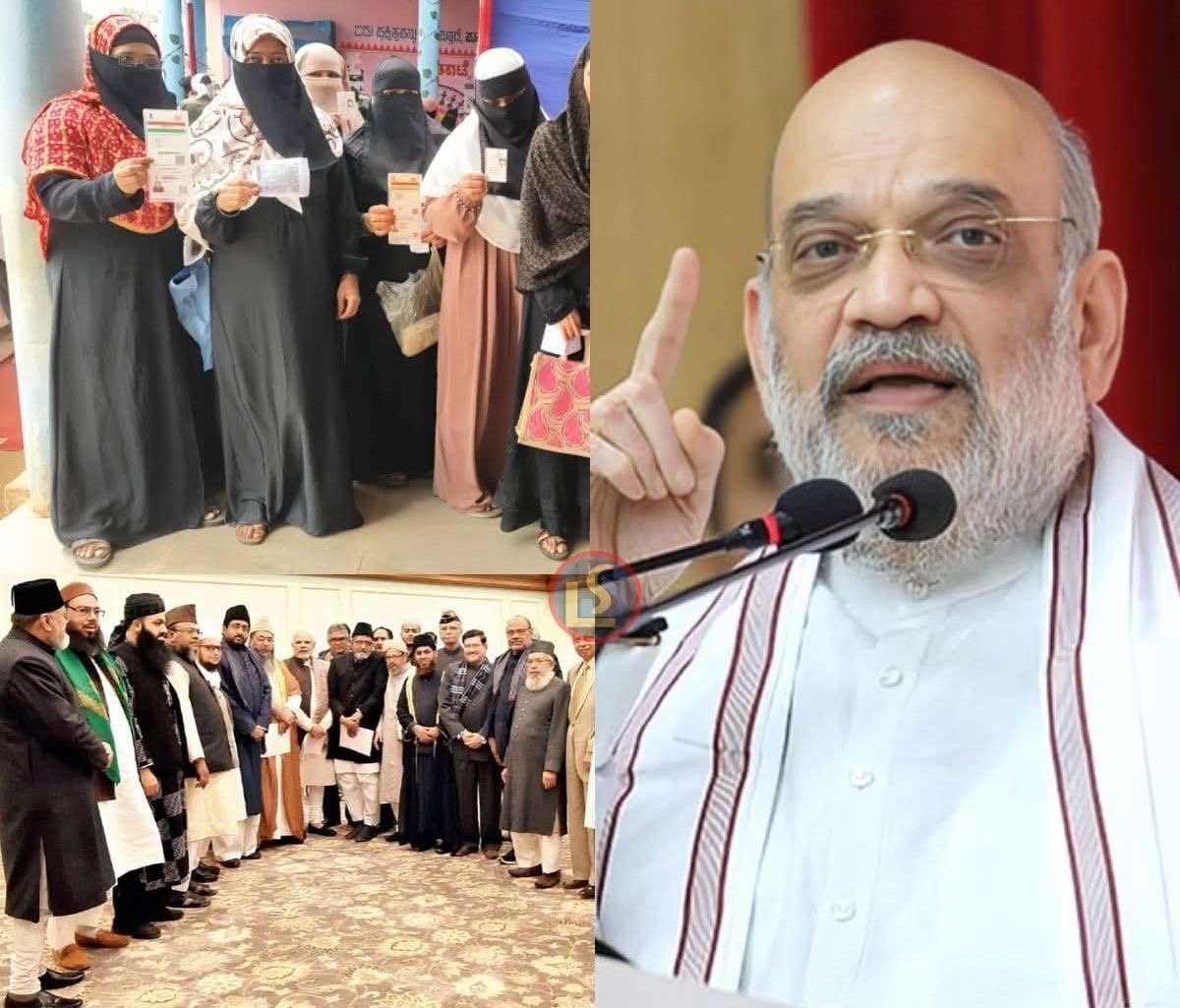
Balancing humanitarian compassion with regulatory rigor, the Ministry of Home Affairs has operationalized a compassionate framework enabling documented relief for qualifying non-Muslim migrants from Afghanistan, Bangladesh, and Pakistan. Under these updated guidelines, individuals belonging to the Hindu, Sikh, Buddhist, Jain, Parsi, and Christian communities who entered India on or before December 31, 2024, after being compelled to seek shelter due to religious persecution or the fear of such persecution, are granted relief and exemptions from legal prosecution, allowing them to remain in the country even if they lack valid passports, visas, or other traditional travel documents.
Supporters of the framework view this as a vital humanitarian initiative that provides much-needed legal clarity, security, and stability to vulnerable families who have spent years navigating legal uncertainty. They argue that regularising the status of these individuals offers them a structured path toward safety and integration into Indian society.
Conversely, critics and constitutional experts continue to raise questions about the broader implications of the policy, focusing on aspects of inclusiveness, equal protection under the law, and the strict differentiation between a residence exemption and the formal path to citizenship outlined under the Citizenship Amendment Act framework. As public and legal dialogues proceed, the implementation of this policy remains closely monitored to ensure a careful balance between humanitarian obligations and national immigration regulation
News Edit KV Raman