






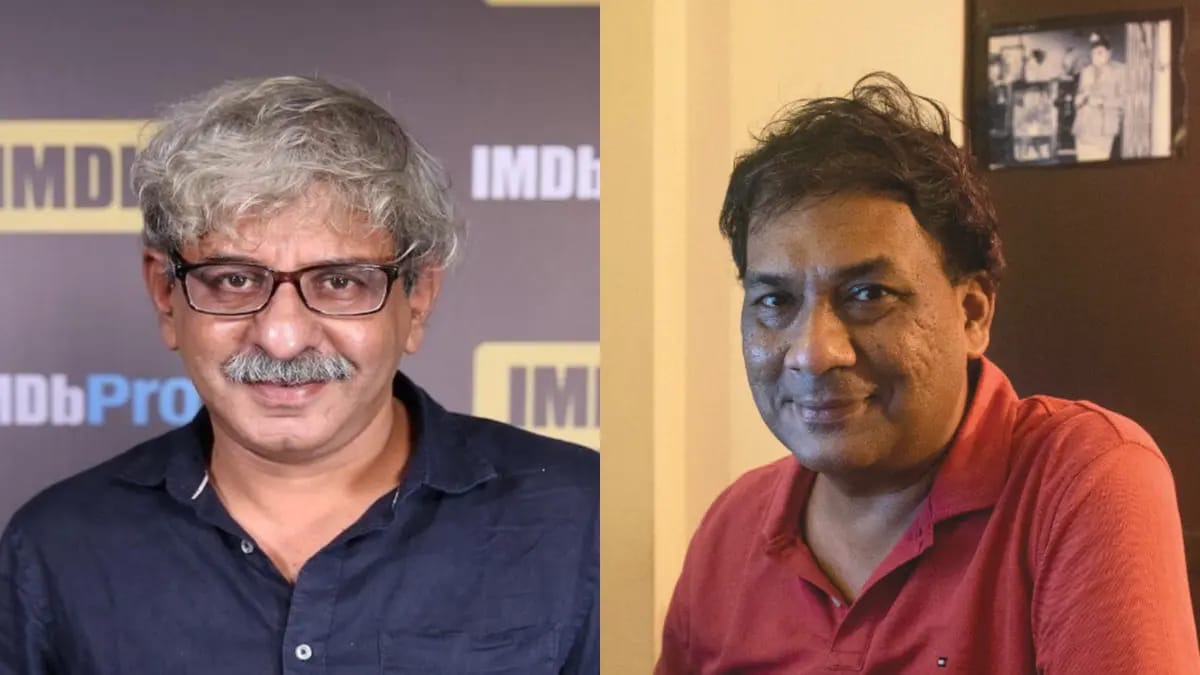
Sriram-Arijit express displeasure with end-credit message in “Ikkis”
Director Sriram Raghavan stated he was “personally not happy” with the controversial end-credit disclaimer in Ikkis that described Pakistan as “not at all trustworthy”.
Raghavan hinted that the disclaimer was a mandatory addition from the producers/production team, comparing it to a similar, unwanted addition in his 2015 film Badlapur.
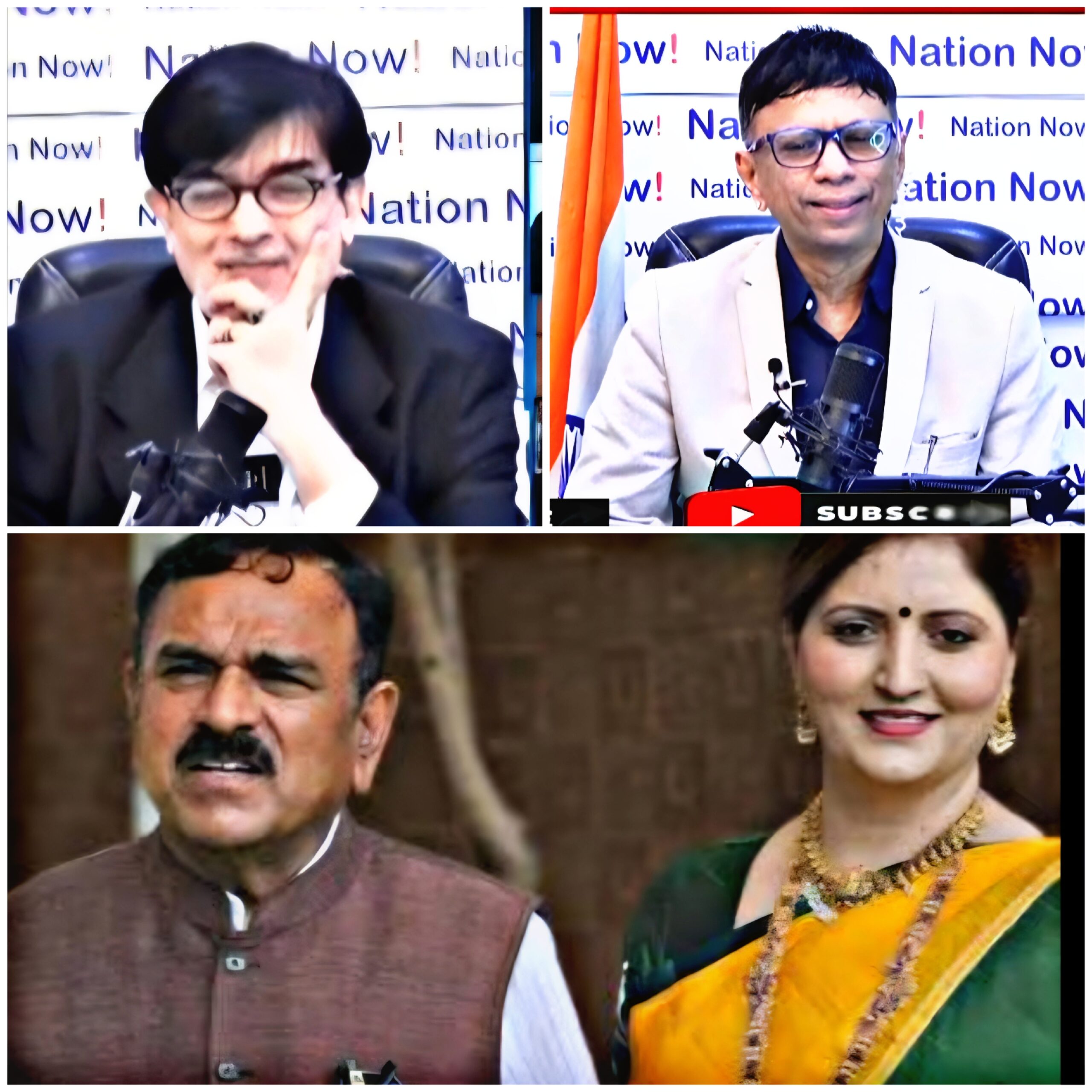
While Arijit Biswas on film’s Intent noted the irony of the situation, mentioning that the film itself is about a Pakistani commander recognizing the bravery of an Indian soldier, yet it was forced to have a harsh disclaimer.
Notwithstanding the controversial disclaimer, the film has been described as a “love letter to peace” and a departure from typical “chest-thumping” war cinema.
Raghavan expressed bafflement at the low footfalls in theaters, hoping the film would find a better audience upon its OTT release on Prime Video.
Acknowledged for his signature thrillers and noir films like Andhadhun and Badlapur, this film marks his first major departure from that genre, focusing instead on the true story of Second Lieutenant Arun Khetarpal.
Over long chat when asked about war films, the craft of writing around facts, and what it costs to keep a film honest.
Sriram Raghavan went on to explain that among Indian films, Chetan Anand’s Haqeeqat Anand’s Haqeeqat and Govind Nihalani’s Vijeta, and J.P. Dutta’s first Border. In foreign films, there are just too many. The Clint Eastwood pair: Flags of Our Fathers and Letters from Iwo Jima.Saving Private Ryan, of course. Paths of Glory,Battle of the Bulge, a lot of David Lean films. At Film and Television Institute of India, we saw many Russian films: The Cranes Are Flying,Ballad of a Soldier and things like that. The Russians make three or four war movies a year. It is a thriving genre there. There is a beautiful Israeli film called Lebanon, set almost entirely inside a tank. Only in the last shot does the character step outside. Harrowing. And a French film, Weekend at Dunkirk, by one of my favourites, Henri Verneuil.
Arijit Biswas: From Indian cinema, Haqeeqat and
Lakshya. He watched Border but couldn’t really get behind. He doesn’t like to come into a war film very programmed. The whole thing looked slightly artificial to himm.. As for Hollywood, there is a treasure trove of war films starting right from the American Civil War. The first for me is The Bridge on the River Kwai. The moral ambiguity is total. Then Flags of Our Fathers, Letters from Iwo Jima, The Longest Day, Richard Attenborough’s
A Bridge Too Far. These films have a certain pathos. They do not celebrate the victor or the vanquished. They ask why the war is being fought at all. Like The Thin Red Line.Saving Private Ryan could have been an even finer film, but somewhere the beautiful story got swallowed by massive production value. And Cross of Iron, obviously. Ballad of a Soldier, Battle of the Bulge, the Alistair Maclean films were were good fun. But as they grew up realised there was more to war films than glorious adventure.
There are quite a few like that, the likes of Samuel Fuller’s The Steel Helmet and others, not conventional Hollywood productions and show the grittier side of war. Come and See by Elem Klimov. Tarkovsky’s Ivan’s Childhood. John Boorman’s Hope and Glory, told from two children’s points of view. The Zone of Interest, of course.
Arijit Biswas: Is Zone of Interest a war film? Not really. War unfolds entirely in the background. What an extraordinary way to tell a concentration camp story.
About genre conventions that define war movies, or can they use that term for any dramatic story set against war Sriram explained that Conventions exist, but it is up to you whether to follow them Lebanon doesn’t use a single conventional trope. Paths of Glory is not conventional by any standard. Each filmmaker brings their own approach.
According to Arijit fundamental difference between Indian war films and Hollywood’s is that they have lived through war and conscription. Conscription gets war into households. Families after families have been evicted from cities, many of them have turned refugees. The amount of social strife that has occurred in Europe and these big wars, has not occurred in India. To mention another war film: the desolation of All Quiet on the Western Front, where an entire class goes to war and only one comes back, that emotional landscape where entire families fall prey to a long winding war, does not exist in our lived memory. So, our war stories need to be different. We cannot simply borrow those templates.
News Edit KV Raman