






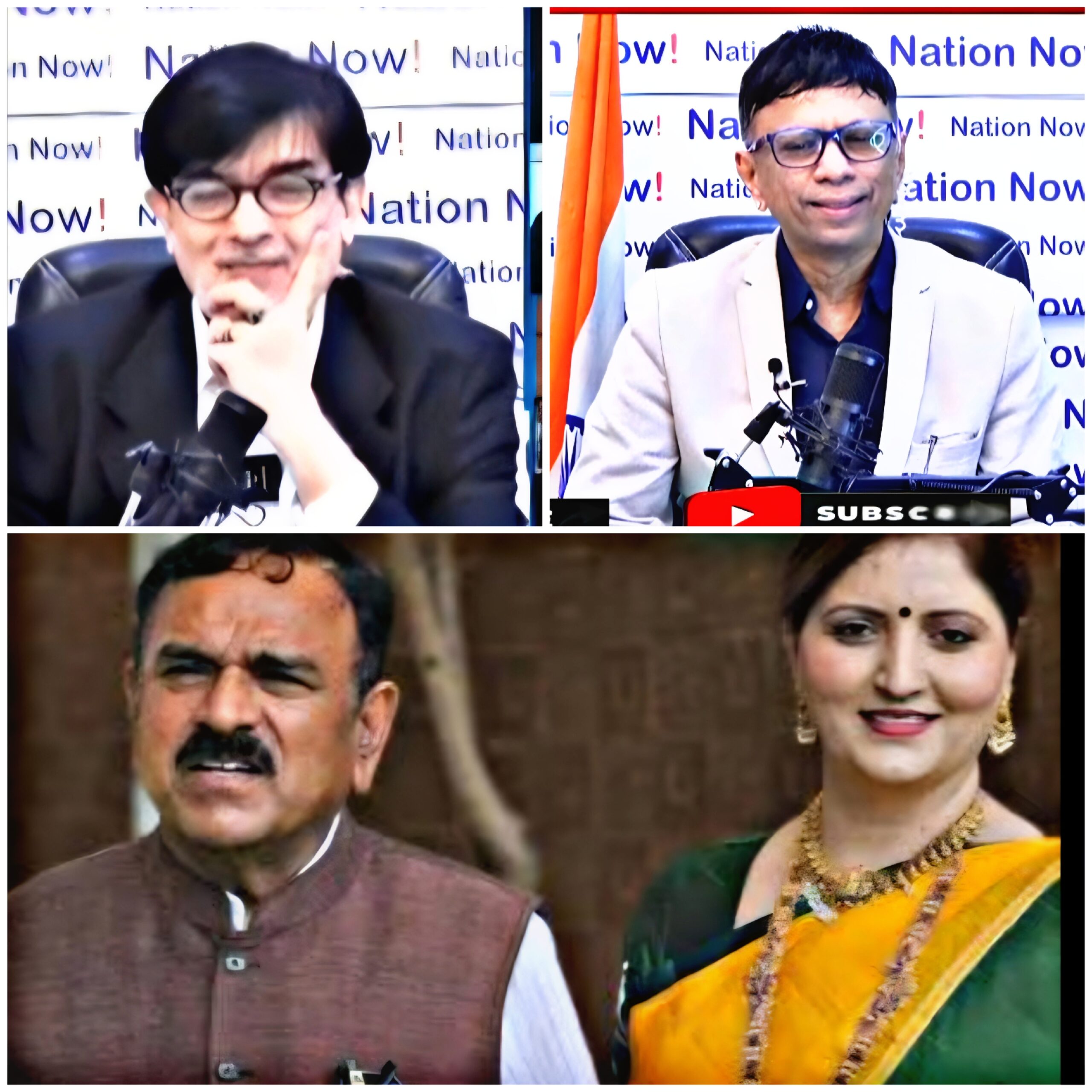



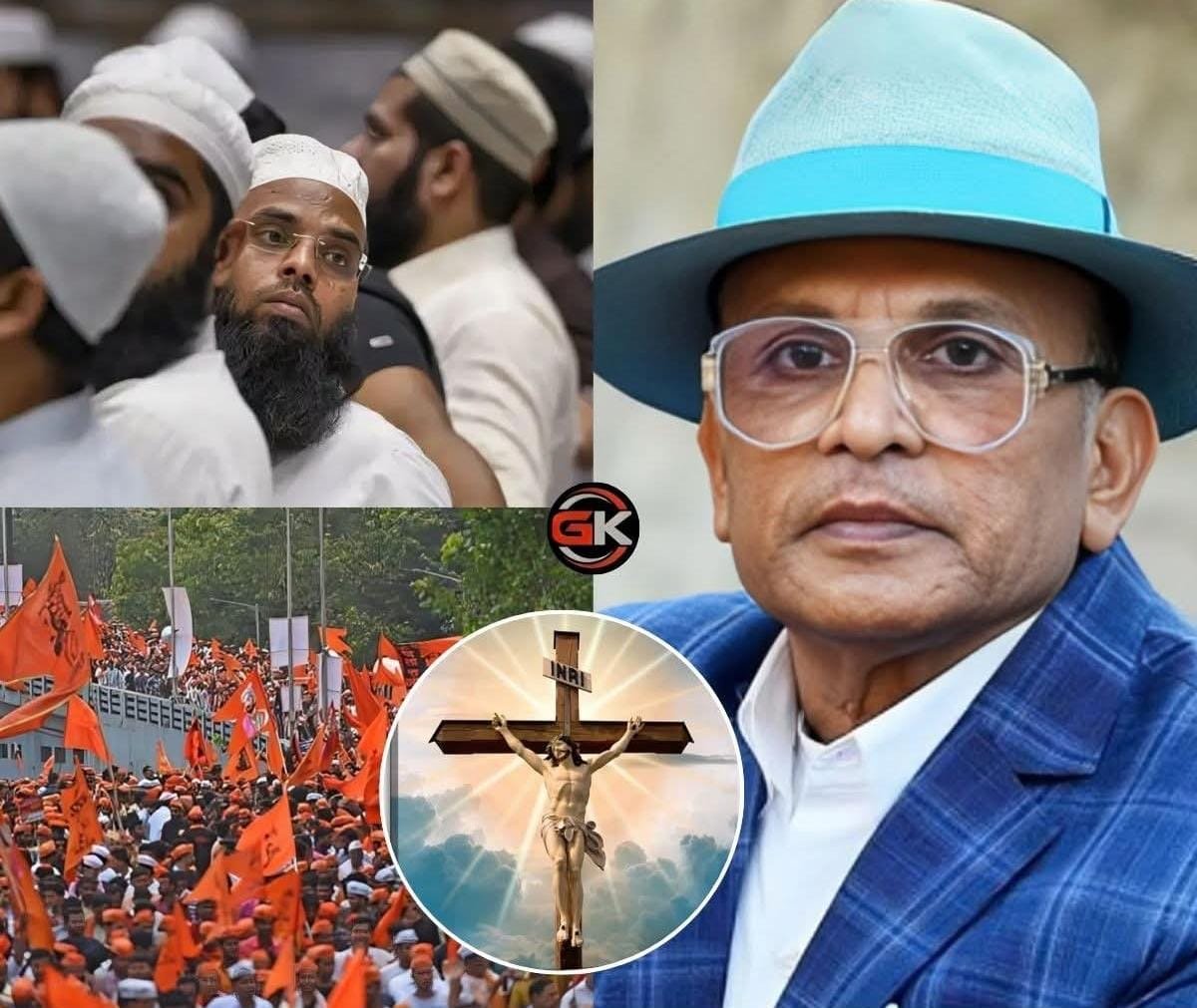
Annu Kapoor’s recent commentary on religion and nationhood has catalyzed a significant nationwide dialogue, prompting citizens and scholars alike to reflect deeply on the intersection of ancient heritage and modern governance. By questioning why India could not formally embrace a civilizational identity aligned with its historically dominant cultural practices, Kapoor has brought long-standing philosophical debates to the forefront of contemporary public discourse.
This viewpoint resonates strongly with those who argue that formally recognizing India’s profound civilizational roots would serve to strengthen national cohesion and provide a clearer sense of cultural grounding.
Conversely, this stance faces immediate counterarguments from proponents of India’s robust constitutional framework, which explicitly establishes the nation as a secular democratic republic dedicated to protecting freedom of conscience and religious expression for all communities. The resulting public conversation serves as a critical reminder of the delicate balance required to honor a rich civilizational history while strictly upholding the principles of institutional neutrality and equal citizenship.
Ultimately, this ongoing discussion highlights the complexity of navigating national identity in a diverse landscape, exploring how a modern state can respect its historic traditions without compromising the constitutional protections guaranteed to every faith.
News Edit KV Raman