




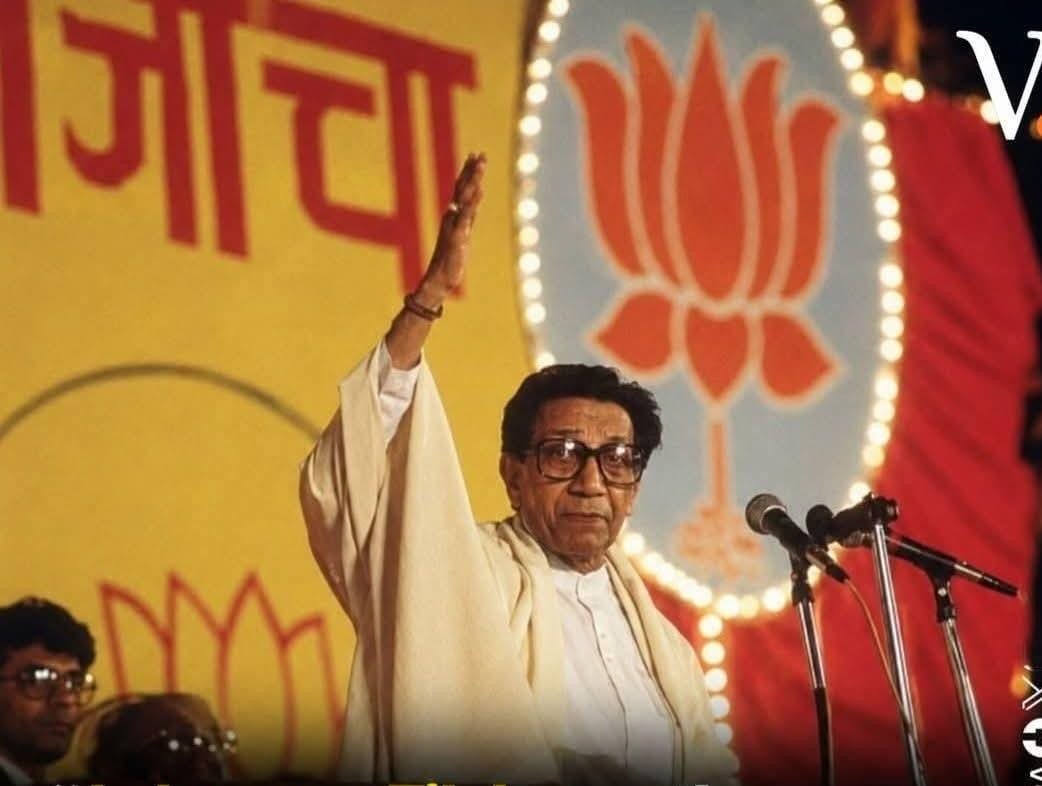
For decades, Balasaheb Thackeray reigned as an unparalleled force in Indian politics, commanding absolute authority through a bold, firebrand style that defined an entire era. His legendary stances and magnetic persona established a monumental precedent, making the question of a legal and spiritual successor a subject of intense public debate.
The transition of leadership to Uddhav Thackeray marked a dramatic departure from this foundational ethos. While Balasaheb Thackeray operated on raw charisma and direct, street-level mobilization, Uddhav Thackeray introduced a calculated, institutionalized approach to governance. This structural evolution culminated in his tenure as Chief Minister, achieved through pragmatic political alliances that deviated significantly from the party’s historic, rigid alignments. For traditional loyalists who witnessed the uncompromising era of the senior Thackeray, this shift represents a stark contrast, raising deep structural questions about the continuity of the original political legacy.
As the political narrative evolves, the contrast between these two distinct eras highlights a broader transformation from a personality-driven movement into a complex, modern political organization. The debate endures over whether this transition preserves the core identity established by Balasaheb Thackeray or signals a permanent departure toward a different style of leadership.
News Edit KV Raman