










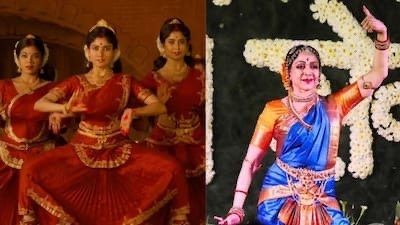
A 45-minute session of Bharatanatyam can burn as many calories and elevate heart rates as effectively as a moderate-to-vigorous gym cardio workout. Fitness specialists and classical dance instructors note that the traditional Indian art form provides a full-body aerobic and strength-training regimen disguised as cultural expression.
Unlike standard treadmill routines that focus primarily on linear movement, Bharatanatyam demands continuous isometric holds, rapid footwork, and dynamic posture shifts. The foundational half-seated stance, known as araimandi, engages the quadriceps, hamstrings, calves, and core muscles simultaneously for extended periods. When combined with rhythmic foot stomping, or adavus, the heart rate rapidly climbs into the fat-burning and cardiovascular conditioning zones.
Sports medicine professionals explain that a brisk 45-minute practice session can burn between 300 and 500 calories, depending on the intensity and tempo of the choreography. This output rivals common gym staples like brisk cycling, elliptical training, or step aerobics. Beyond calorie expenditure, the dance requires precise coordination between upper body gestures, facial expressions, and lower body rhythms, improving neuromuscular agility and balance.
Dancers also experience significant improvements in stamina, joint stability, and flexibility. Because the routines alternate between fast-paced rhythmic sequences and slower, expressive storytelling segments, the body naturally undergoes interval training. This fluctuation strengthens cardiac endurance while reducing the mental monotony often associated with repetitive gym machines.
Health experts recommend incorporating proper warm-up stretches and ankle-strengthening exercises before starting a session to protect the knees and lower back.
For individuals looking to break away from conventional fitness routines, stepping onto the dance floor offers a sustainable, culturally rich alternative to the weight room.