




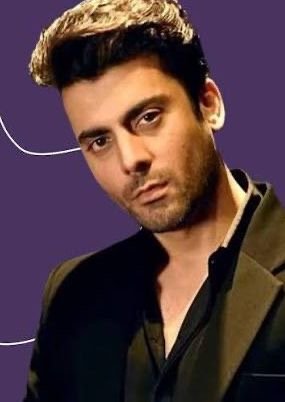
For Fawad Khan, it almost feels like a case of history repeating itself. A decade ago, the Pakistani actor found himself at the centre of a cross-border controversy just as his Bollywood career was gaining momentum. Today, a nearly identical storm is brewing ahead of his major streaming return, as his upcoming Netflix series, Jo Bachay Hain Sang Samait Lo, faces fierce calls for a ban in India prior to its December 4 global release.
In 2016, Khan was riding high on the success of Kapoor & Sons and awaiting the release of Karan Johar’s Ae Dil Hai Mushkil when the Uri terror attack severed cultural ties between India and Pakistan. Film associations passed resolutions barring Pakistani artists, leading to widespread protests and ultimately making Ae Dil Hai Mushkil his final Hindi film appearance in Indian theatres.
Ten years later, the familiar cycle of geopolitical tension and entertainment boycotts has resurfaced. Following last year’s Pahalgam attack, which derailed the Indian release of his comeback film Abir Gulaal, industry bodies like the All Indian Cine Workers Association (AICWA) and the Federation of Western India Cine Employees (FWICE) have petitioned Prime Minister Narendra Modi to block Jo Bachay Hain Sang Samait Lo. The Ministry of Information and Broadcasting has since stepped in, reminding Netflix of its advisory against streaming Pakistani-origin content in India.
Adapted from Farhat Ishtiaq’s popular Urdu novel and directed by Momina Duraid, the series marks Netflix’s first Pakistani original and reunites Khan with acclaimed co-stars Mahira Khan, Sanam Saeed, and Hania Aamir. While the project celebrates a milestone for Pakistani storytelling on a global stage, the escalating backlash in India ensures that Khan’s return to the spotlight remains shadowed by the very same cross-border divide that halted his momentum ten years ago.