





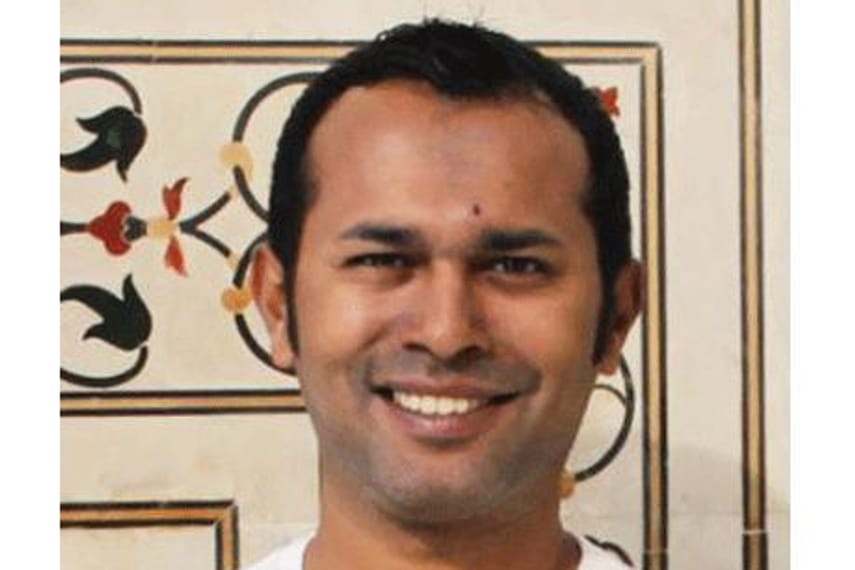
When Rahul Matthew
DDB CCO signed-off from leading advertising agency,
it marked more than a transformation of role. It put to rest a significant chapter in Indian advertising; Omnicom had taken over IPG and retired the DDB, BBDO, and FCB agency brands.
Matthew has now taken charge of creative leadership at McCann, returning to an agency he calls as formative to his professional life. In a reflective LinkedIn post, he framed the transition as both personal and purposeful.
He wrote “It’s quite poetic that he now gets to take over the creative reins of McCann,” addingb“the agency that built him as a creative professional. Taught him how to strategically anchor himself while exploring creatively.”
His post traced a philosophical continuity amid McCann, DDB and the legacy of Bill Bernbach, positioning creativity as a commercial discipline rather than a decorative one. Matthew credited his years at DDB with reinforcing a simple but demanding belief. Creativity only matters when it is used to build businesses, cultures and long term value.
At the centre of that belief is honesty. Not as rhetoric, but as infrastructure.
For Matthew, honesty is not an abstract virtue but a structural necessity for creative organisations. In his post, he called it as the element that allows agencies to hold together over time. Honesty to the work, to people, to clients and to oneself, he wrote, is “the Lego block that fits into every corner to make sure the building never stops.”
Without it, creativity may still exist, but it cannot scale into culture or sustain a business. The idea reflects a Bernbach era conviction that creative success collapses the moment integrity is compromised.
Matthew was candid over the uncertainty that comes with consolidation. He acknowledged that there would be friction and moments of imperfection, even with the best planning in place. Further he wrote that there definitely will be hiccups,” signalling realism rather than bravado.
What he was unequivocal about, however, was priority. Clients would come first, Notwithstanding which agency brand they were aligned with. The ambition, he said, was to ensure that consolidation strengthens creative output rather than constrains it. He noted “theyvwant their clients to feel the muscle of this consolidation, not its aches.”
Matthew also addressed the shift in creative leadership following Prasoon Joshi’s long tenure at McCann. While Joshi’s role has evolved within the network, Matthew was clear over the influence he continues to carry. That he will always remain the creative person who has taught him a lot,” he positioning mentorship as something that outlasts titles.
Looking ahead, Matthew framed creative leadership as a collective responsibility. He acknowledged working alongside Dheeraj Sinha and emphasised that the goal is not to recreate DDB or preserve legacy structures for comfort. Creativity, he argued, must function as an attitude across the organisation rather than a department within it.
“No one person’s, yet everyone’s,” he wrote, describing the culture he wants to build.
That culture, in his view, must be defined by strong client partnerships, deep consumer understanding, mentorship, accountability and merit. A place where standards are high, where ambition is shared and where winning becomes habitual rather than accidental.
Ultimately, Matthew positioned trust as the first measure of success. He further went on to write “Winning first starts with winning the trust of everyone,” he wrote. “Those who work with us. And those who should be working with them.”
News Edit KV Raman