





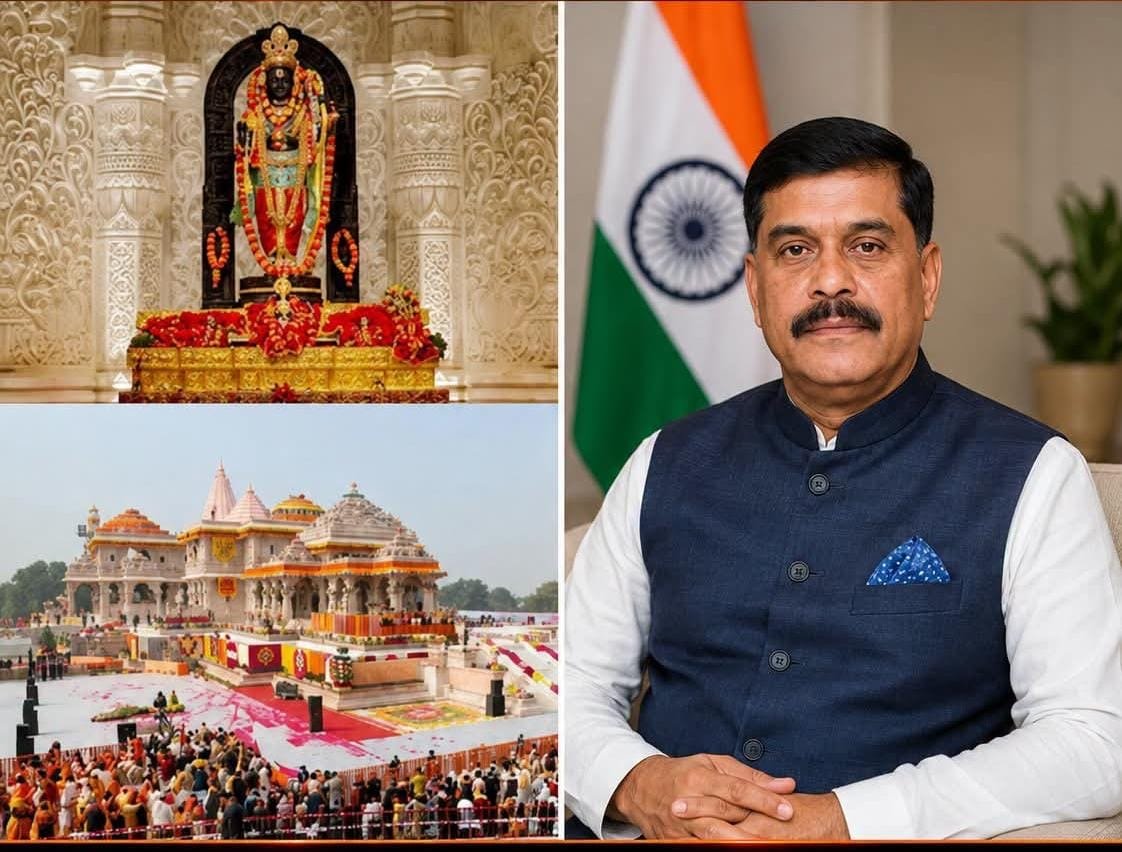

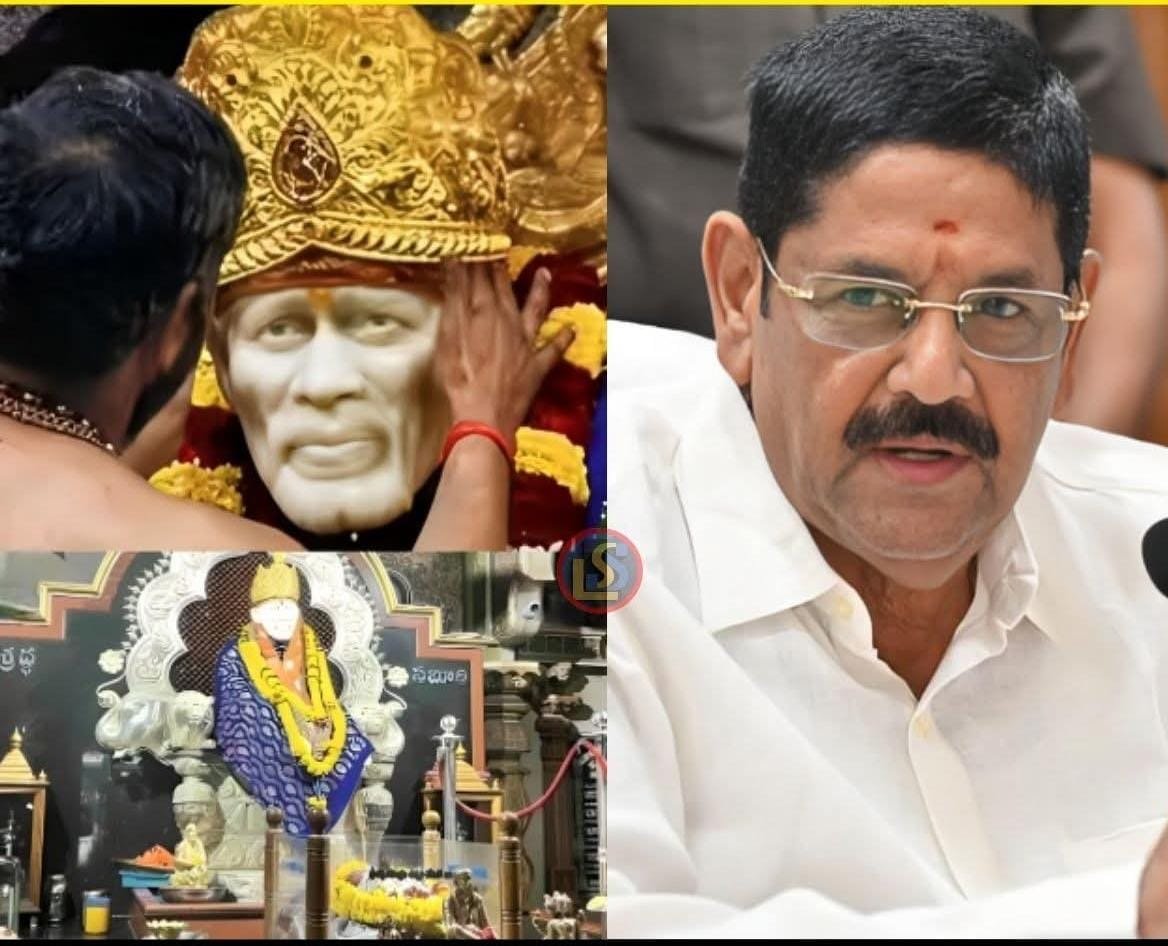
A recent statement by Andhra Pradesh Endowments Minister Anam Ramanarayana Reddy has generated discussion over how funds belonging to the
Sri Venkateswara Aalayala Nirmanam (SRIVANI) Trust should be utilised. According to reports, the minister said in June 2026 that SRIVANI Trust funds would not be provided for constructing Shirdi Sai Baba temples, explaining that these funds are intended for Hindu temples and related religious purposes under the applicable framework. The minister reportedly argued that Sai Baba is not among the ancient deities referred to in early Hindu scriptures and therefore Sai temples do not fall within the category for which these particular funds are intended.
Importantly, this represents the minister’s stated religious and administrative reasoning and should not be interpreted as a definitive judgment on how millions of individual devotees view Sai Baba. According to the official description of the programme, the SRIVANI Trust was established to support the construction of
Sri Venkateswara Swamy temples in different parts of India, particularly in areas serving SC, ST, BC and economically weaker communities, while funds may also support renovation of old and dilapidated temples and Dharma Pracharam activities. The discussion is especially sensitive because Shirdi Sai Baba has millions of followers across India, including Hindus who worship him as a saint, guru or divine figure and personally support temples dedicated to him. Therefore, the controversy concerns both administrative rules governing temple-linked donations and deeply held personal beliefs. As reported, the Andhra Pradesh government’s position relates specifically to the eligibility of
Sai Baba temples for SRIVANI funding it does not prohibit people from worshipping Sai Baba or privately donating toward Sai temples. Ultimately, transparency remains essential whenever devotees’ donations are administered through religious trusts. Funds created for clearly defined purposes should be used according to their objectives, applicable rules and proper accounting, while every citizen remains free to follow their own faith and traditions.
News Edit KV Raman