








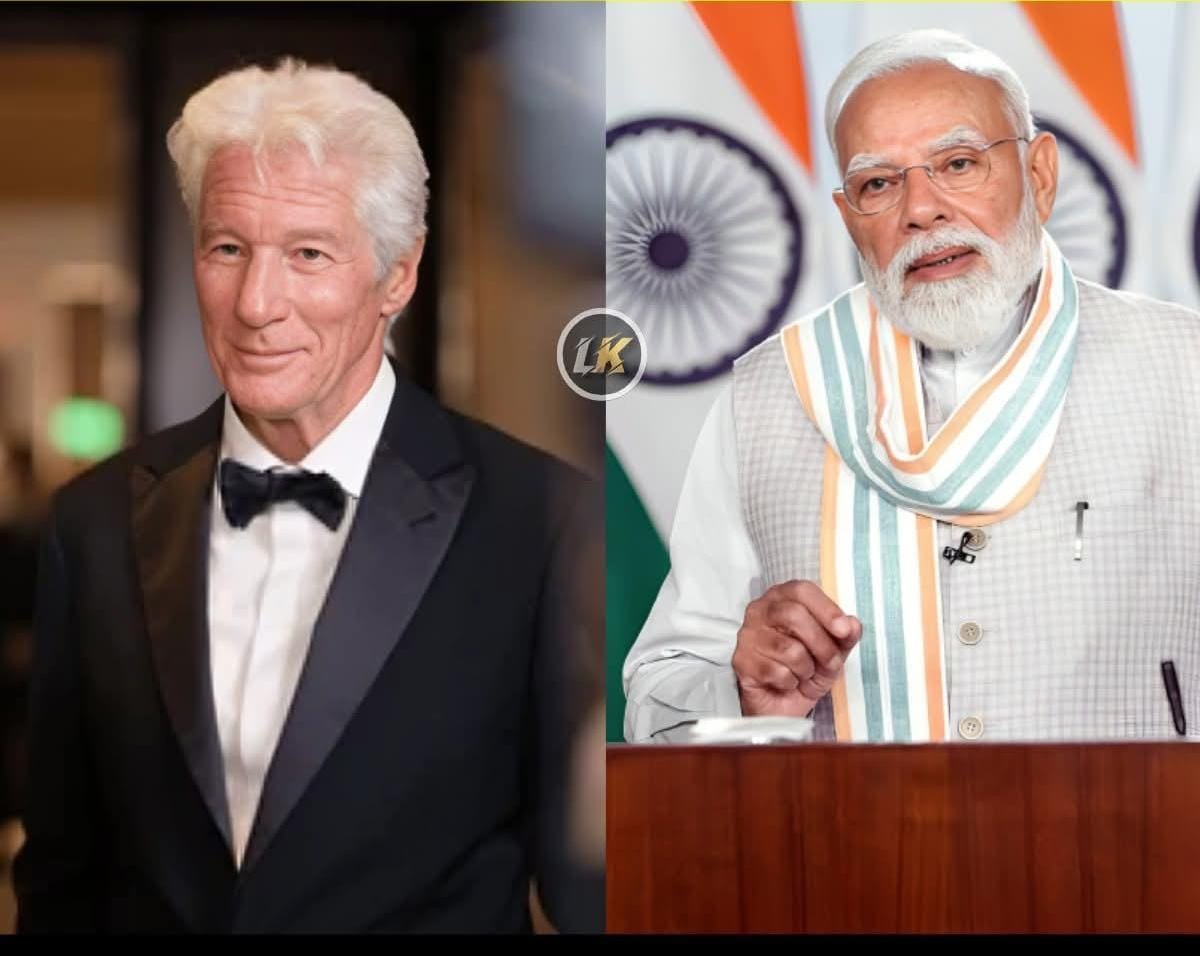


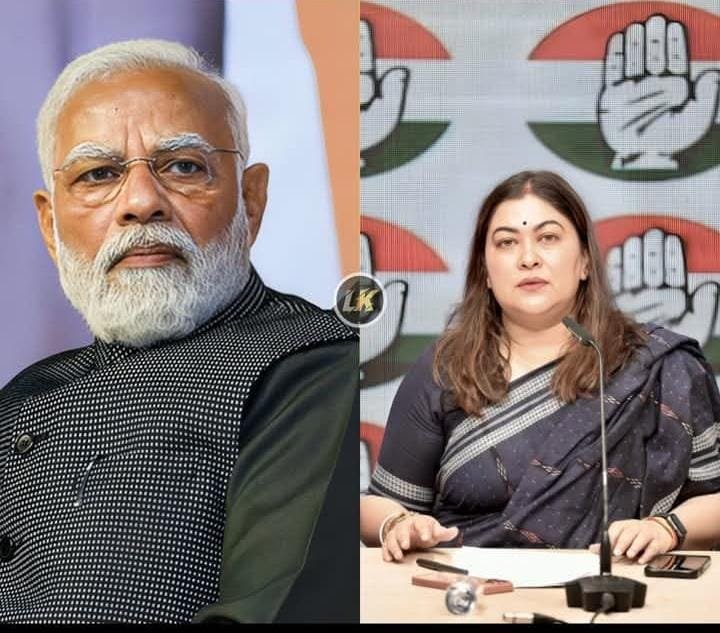
The political friction between Congress spokesperson Ragini
Nayak and Prime Minister
Modi has thrust the economic debate surrounding domestic tourism versus international travel back into the national spotlight. The controversy emerged following sharp criticisms from Nayak, who challenged the Prime Minister over his recent appeals encouraging Indian citizens to reduce unnecessary foreign travel. Describing the message as a contradiction, Nayak questioned the advice in light of the Prime Minister’s own extensive overseas schedule.
Supporters and economic analysts have quickly countered the criticism, emphasizing a fundamental distinction between official diplomatic state visits and private, discretionary leisure travel.
While official visits are designed to secure international trade, strengthen geopolitics, and advance national interests, private foreign tourism represents a direct exit of capital from the domestic market. Proponents argue the Prime Minister’s message is not a ban on global travel, but rather a strategic call to action for citizens to intentionally direct their discretionary spending toward local ecosystems.
National policy experts highlight that prioritizing domestic travel serves as a powerful catalyst for economic resilience. By choosing regional destinations, citizens participate in a vital capital retention strategy that prevents the depletion of national foreign exchange reserves. This shift in consumer spending generates a robust multiplier effect, providing immediate financial support to small businesses, hospitality providers, transport networks, and regional artisans. Furthermore, a thriving domestic travel sector drives decentralized job creation, sustaining livelihoods in culturally rich but economically vulnerable communities that lie outside major industrial hubs.
The ongoing debate underscores a broader challenge for leadership communication in the digital age. Analysts suggest that for public campaigns to be effective and avoid political friction, leadership messaging must navigate these boundaries with absolute clarity. Going forward, policy experts recommend that behavioral appeals to the public must be paired with transparent, visible investments in the nation’s domestic travel infrastructure, ensuring that local destinations can robustly compete on a global scale.
News Edit KV Raman