




The 1950s remains universally celebrated as the Golden Age of Hindi Cinema, a defining decade when the silver screen captured a newly independent nation navigating modern anxieties and deep-seated traditions. Rendered in intoxicating black-and-white, this era birthed a brilliant constellation of filmmakers, actors, and writers whose artistic choices permanently reshaped Indian storytelling and continue to heavily influence contemporary media.
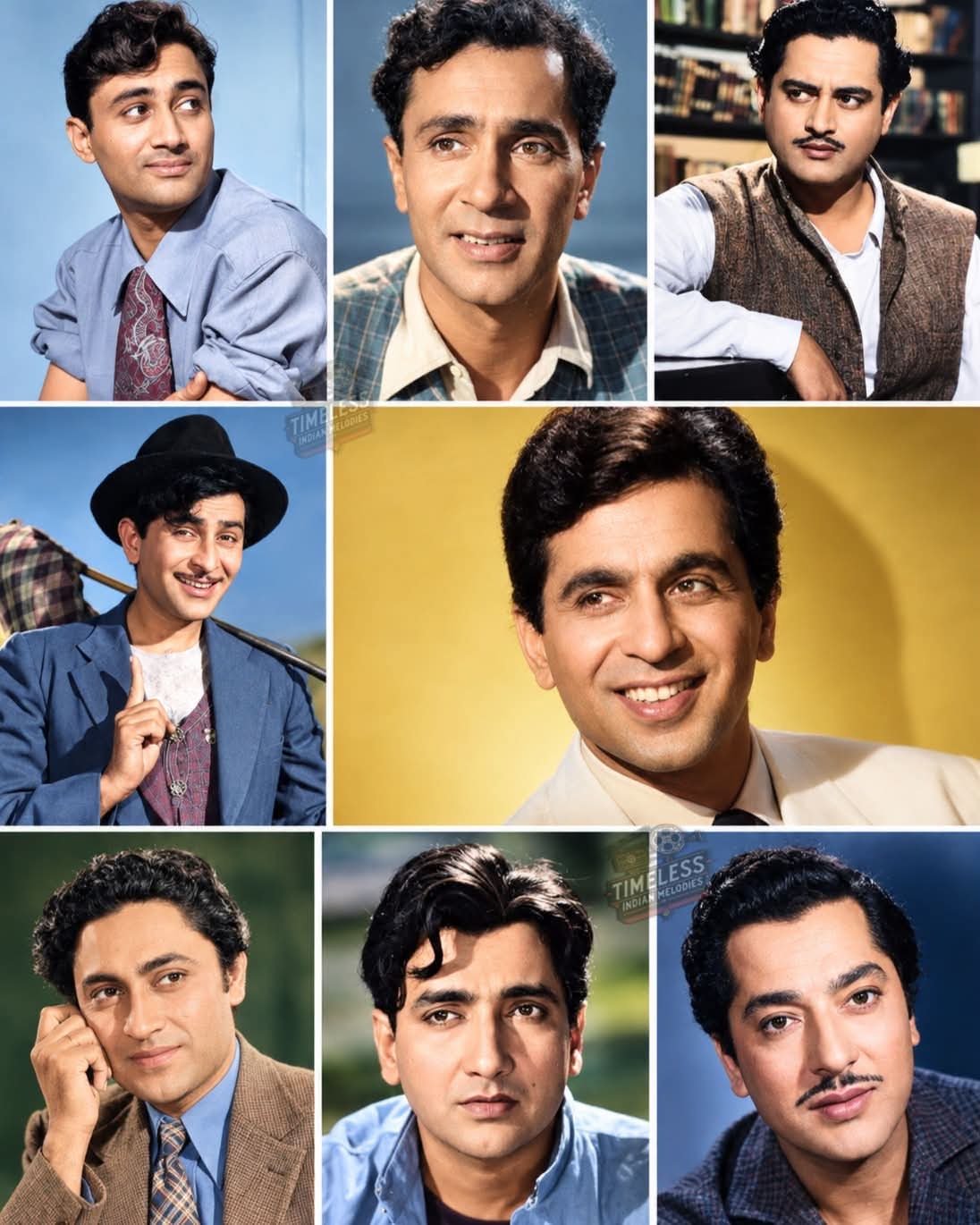
At the center of this cinematic universe stood a legendary leading trinity Dilip Kumar Raj Kapoor and Dev Anand
who offered distinct archetypes of charisma ranging from soulful method acting to urban noir romance. Simultaneously, pioneering directors like Guru Dutt and Bimal Roy elevated the medium into high art. Through melancholic masterpieces like
“Pyaasa” and socially conscious dramas like “Do Bigha Zamin,
they utilized breathtaking shadow play, poetic humanism, and sharp social critiques to mirror the complexities of a changing society.
Supported by the unparalleled grace of leading ladies like Madhubala Nargis and Nutan alongside the haunting verses of progressive Urdu poets, the 1950s transcended standard commercial tropes. Decades later, the era’s unique blend of shadows, silk, and narrative depth stands as a timeless high-water mark of global artistic expression, serving as the foundational blueprint for the emotional and visual grammar of modern cinema.
News Edit KV Raman