





In a major breakthrough in the firing incident at filmmaker Rohit Shetty’s residence, the Mumbai Police has unearthed an intense conspiracy, leading to the arrest of 12 individuals and the recovery of the weapon. The investigation has revealed that the attack was orchestrated by the Lawrence Bishnoi gang to instil fear, establish supremacy, and for extortion purposes.
According to official sources, the weapon recovered is a country-made 7.62 mm pistol, a type commonly used in crimes orchestrated by organized syndicates due to its easy availability and lethal efficiency. The firearm was seized from the possession of Deepak Sharma, the prime shooter, who was among the twelve individuals arrested in connection with the case. Following standard investigative protocol, the weapon has been promptly dispatched to the prestigious Kalina Forensic Science Laboratory in Mumbai for comprehensive ballistic examination. Forensic experts will conduct detailed analysis to match the rifling marks on the recovered bullets with the seized pistol, definitively establishing it as the weapon used in the attack. This ballistic confirmation is expected to be a cornerstone of the prosecution’s case.
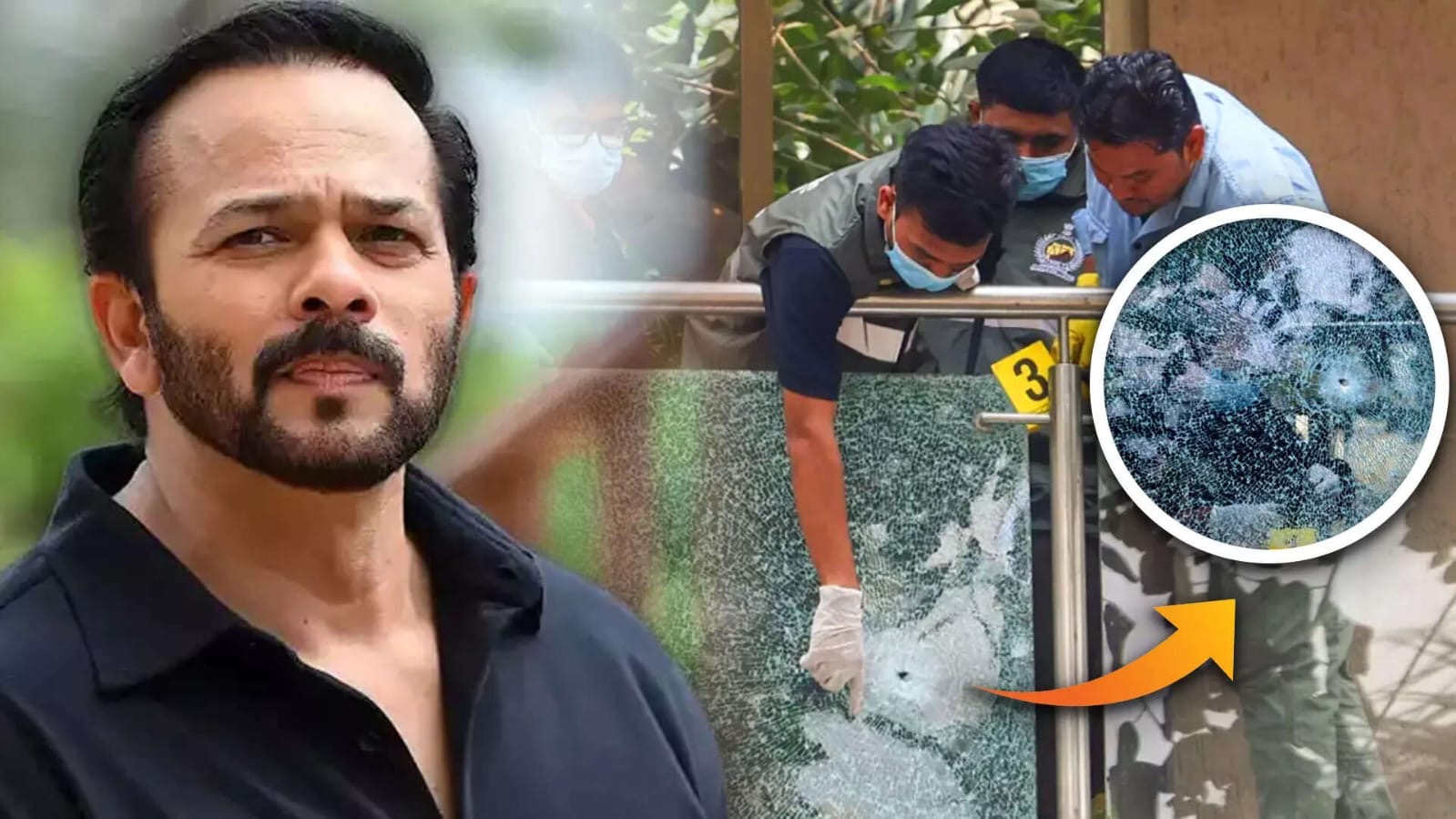
The chilling incident unfolded around 12:45 am on February 1, when unknown assailants fired five rounds at Shetty’s nine-storey residential building in the upscale Juhu locality. One of the bullets shattered the glass panel of a gym located within the premises, sending shockwaves through the film industry and raising serious concerns about the security of high-profile personalities. The audacity of the attack, carried out in a densely populated area, underscored the escalating brazenness of organized crime networks operating in the city.
Recognizing the gravity of the situation and the suspected involvement of a structured criminal syndicate, the Mumbai Police invoked the stringent Maharashtra Control of Organised Crime Act (MCOCA) against the arrested accused. The invocation of MCOCA allows for more stringent investigation and prosecution measures, including the admissibility of intercepted communications as evidence and stricter bail conditions.
As the investigation intensified a chilling narrative of conspiracy began to emerge. The police discovered that the attack was orchestrated by Shubham Lonkar, an active member of the Lawrence Bishnoi gang. Lonkar, who is currently absconding, had allegedly planned the assault with the intention of causing grievous harm to Shetty and instilling a climate of fear within the film fraternity. Notably, Lonkar had claimed responsibility for the Juhu firing on social media shortly after the incident, a move that investigators believe was intended to enhance the gang’s notoriety.
Further interrogation of the arrested individuals revealed that Lonkar’s criminal footprint extends far beyond this single case. He is also wanted in connection with the high-profile murder of Nationalist Congress Party (NCP) leader Baba Siddique, a case that sent political ripples across the state. Additionally, Lonkar’s name has surfaced in the investigation of the firing incident outside Salman Khan’s Bandra residence indicating a sinister pattern of targeting influential figures perceived to be close to the film industry. The common thread linking these attacks appears to be the Lawrence Bishnoi gang’s alleged extortion demands and its broader agenda of asserting dominance.
With twelve individuals already in custody, including the shooter Deepak Sharma, multiple police teams are working tirelessly to track down the remaining accused, particularly the mastermind Shubham Lonkar. Authorities have intensified their search operations across state borders, leveraging technical surveillance and human intelligence to dismantle the network. Meanwhile, the security apparatus around Rohit Shetty’s residence has been significantly bolstered. Additional personnel from the Mumbai Police have been deployed round-the-clock, and the filmmaker’s security detail has been upgraded to ensure his safety. The incident has prompted a broader review of security protocols for prominent figures in the entertainment industry, with law enforcement agencies adopting a more proactive stance to prevent such attacks in the future.
News Edit KV Raman