






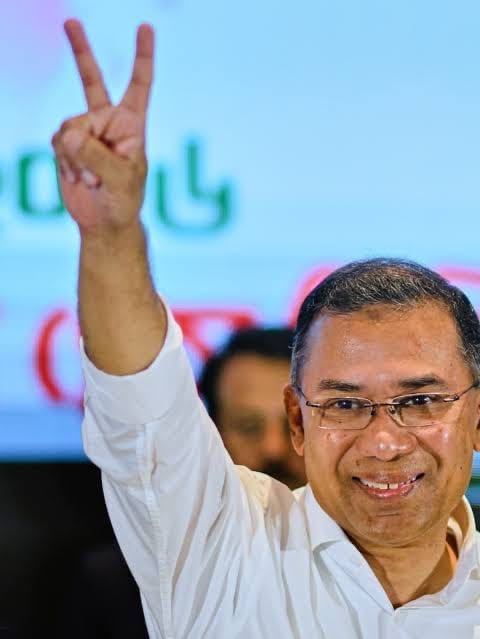
Bangladesh and India are actively negotiating a critical state visit by Bangladeshi Prime Minister Tarique Rahman to New Delhi, potentially occurring as early as late next week. This highly anticipated diplomatic mission marks Prime Minister Rahman’s first official trip to India since his Bangladesh Nationalist Party (BNP) assumed power in February 2026, ending an 18-month interim administration.
The proposed two-day visit serves as a vital diplomatic reset to repair and normalise bilateral relations. Ties between the two traditional partners experienced a prolonged chill following the dramatic ouster of the Sheikh Hasina government in August 2024.
Indian officials have proposed immediate dates around 21–22 August 2026 for the bilateral summit. However, diplomatic sources in Dhaka indicate that a window in the first week of September may better accommodate the Prime Minister’s dense domestic commitments.
This schedule allows Prime Minister Rahman to oversee Bangladesh’s upcoming presidential election on 20 August, where senior Cabinet member Mirza Fakhrul Islam Alamgir is expected to be elected. A finalized date is expected to emerge over the weekend following a meeting between Indian High Commissioner Dinesh Trivedi and Bangladesh Foreign Minister Khalilur Rahman in Dhaka.
The high-level talks between Prime Minister Modi and
Prime Minister Tarique Rahman aim to unfreeze multiple stalled bilateral mechanisms.
Resolving trade friction and engineering the complete rollback of strict trade restrictions imposed on Bangladesh in May 2025.
Initiating crucial negotiations for the timely renewal of the vital Ganga Waters Treaty alongside new energy cooperation frameworks.
Strengthening border security and addressing regional stability amidst evolving defense alignments in South Asia.
Setting the stage for the 18th BRICS Summit in New Delhi from 12–13 September, to which India has formally invited Prime Minister Rahman in his capacity as the current BIMSTEC chair.
Navigating Complex Diplomatic Flashpoints
Although, both capitals express cautious optimism about breaking the diplomatic deadlock, significant underlying friction remains. Dhaka has linked the smooth progression of long-term ties to the status of ousted former Prime Minister Sheikh Hasina, who currently resides in India.
The BNP-led government recently issued sharp criticisms after Hasina conducted an audio press conference from Indian soil, warning that her ongoing political activities could cast a shadow over New Delhi’s fresh diplomatic initiatives. Despite these challenges, Bangladesh’s State Minister for Foreign Affairs, Shama Obaed Islam, maintained that direct head-of-government talks offer the single best opportunity to resolve these outstanding bilateral friction points.
News Edit KV Raman