








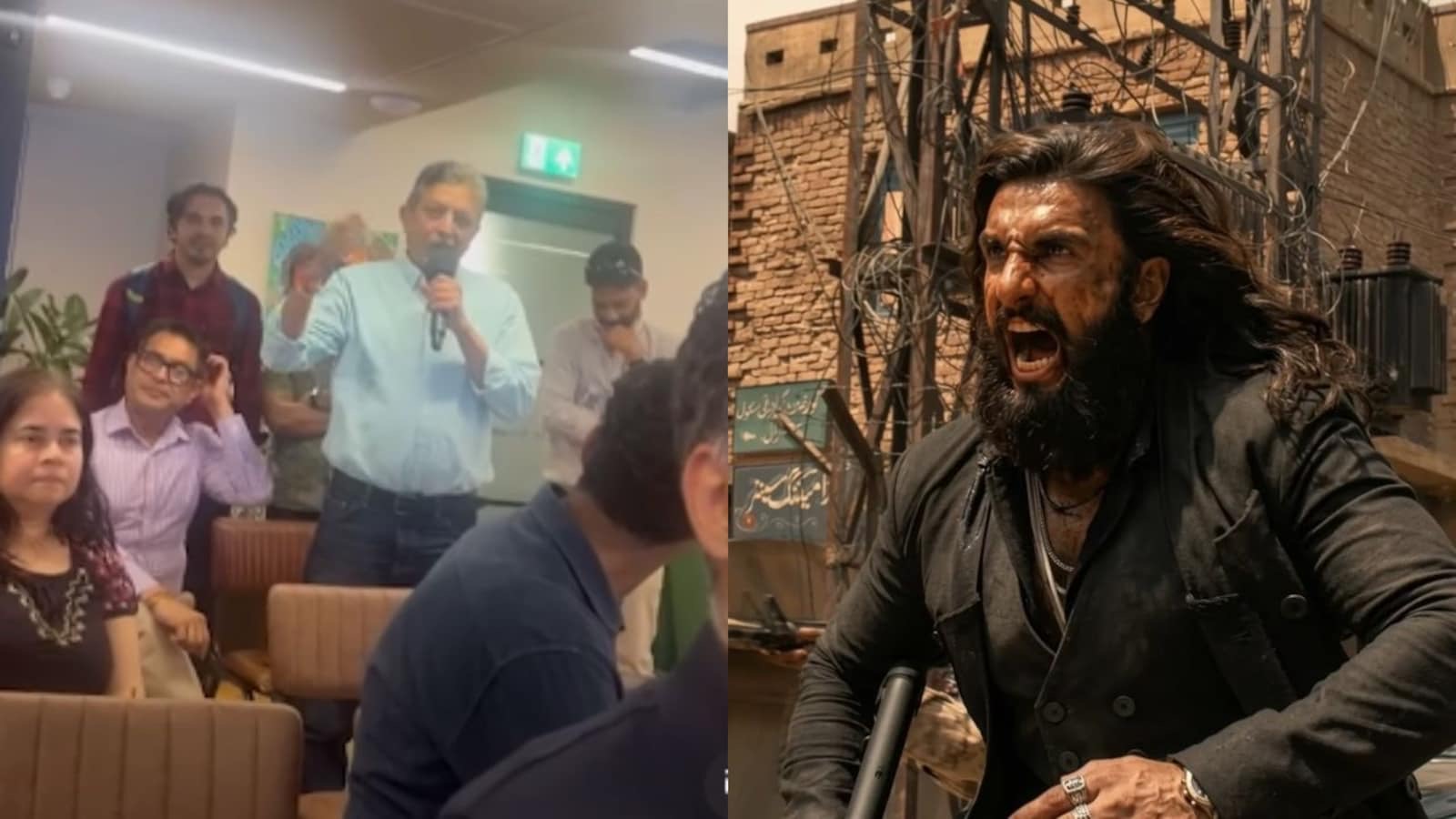
Stepping into a fierce cross-border debate, Pakistani journalist and former Lyari town mayor Arif Aajakia has publicly defended the Indian blockbuster
“Dhurandhar”. Aajakia argues that the film’s gritty portrayal of local crime syndicates and its dramatization of covert counter-terrorism operations in Karachi ring entirely true, validating the harsh historical realities of the area.
In contrast, current Karachi Mayor Murtaza Wahab and the Sindh provincial government strongly condemned the film. They criticized it as “anti-Pakistan propaganda” that unfairly misrepresents Lyari as a hub of terrorism rather than highlighting its rich culture and sports legacy.The region’s notorious gangland era in the 1990s and 2000s, driven by figures like the late Rehman Dakait, serves as the primary inspiration.While the movie focuses on the dark and violent history of these criminal networks, local scholars and residents have pointed out that Lyari is much more than its dark past. It is historically known as the “football capital of Pakistan” and boasts a vibrant, resilient community.
Karachi Mayor Murtaza Wahab and the Sindh government have fiercely pushed back against the film, slamming it as “anti-Pakistan propaganda” that reduces Lyari to a center of terrorism. Although the movie centers on the brutal 1990s and 2000s gang wars led by figures like Rehman Dakait, locals and scholars lament that it erases the area’s vibrant soul. They point out that Lyari is far more than its violent past—it is a resilient, culturally rich community famously known as the “football capital of Pakistan.
News Edit KV Raman