







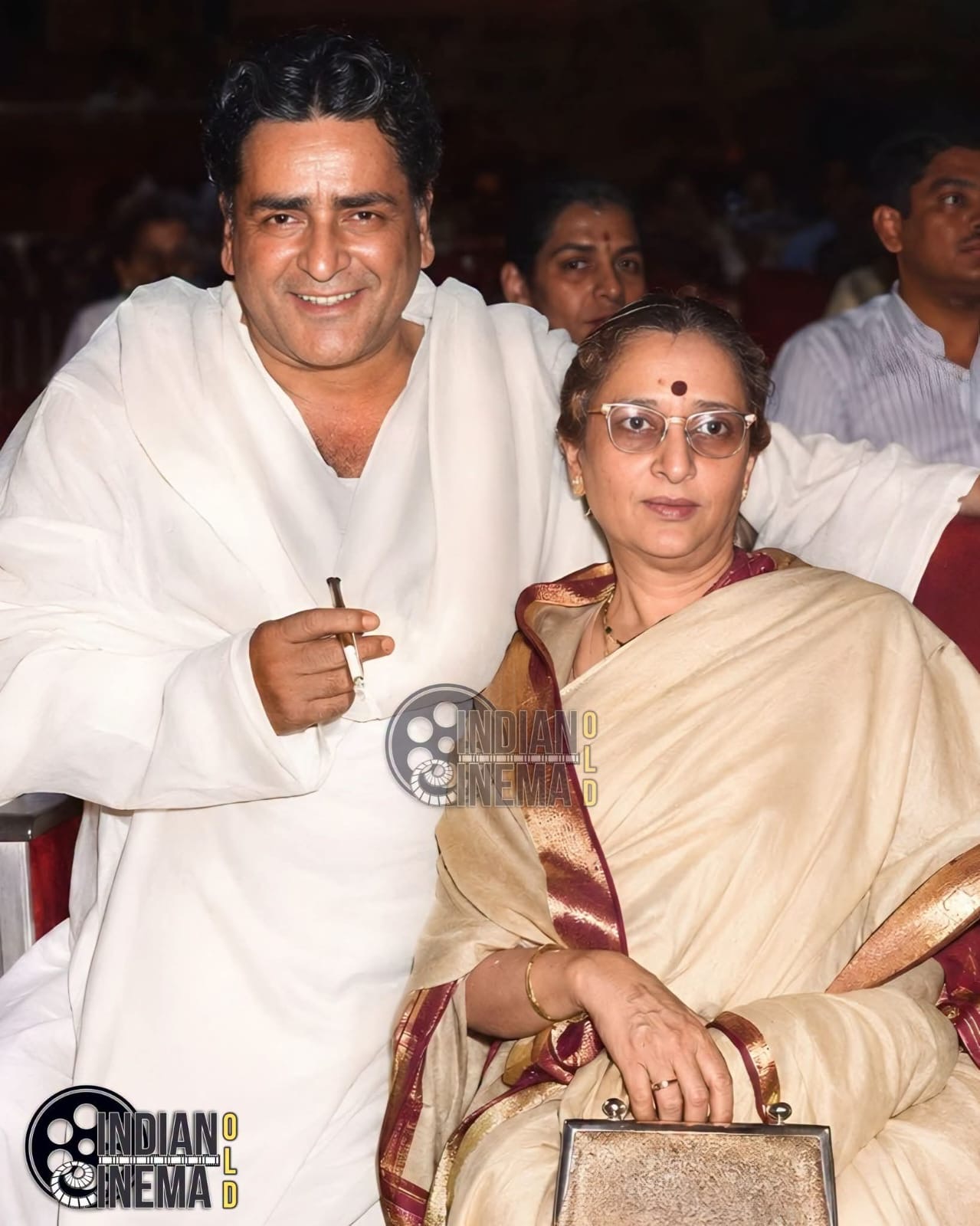
Prithviraj Kapoor was far more than a silver-screen star. He was a pioneering visionary, a fierce intellectual, and a dedicated theatre personality who believed in the raw, transformative power of live performance. In 1944, fueled by a passion to democratize the arts, he founded the iconic Prithvi Theatre in Mumbai.
Operating as a unique, nomadic traveling theatre company, Prithvi Theatre traversed the length and breadth of a newly independent India. It became a vital cultural vehicle that achieved several milestones:
It brought high-quality, socially relevant Hindi plays to mainstream audiences.
It served as an intensive training ground for countless actors, technicians, and playwrights who later became industry stalwarts.
Fostering National Unity: The plays tackled intense social themes, using art as a mirror to reflect and heal a changing society.
While the original traveling troupe eventually paused, the cultural flame never died. The family later institutionalized this passion into the permanent Prithvi Theatre space in Mumbai, which remains a bustling epicenter for indie artists, experimental plays, and creative minds today.
On the celluloid canvas, Prithviraj Kapoor possessed a commanding screen presence that was entirely unmatched. His career was decorated with numerous critically acclaimed performances, yet his definitive masterclass remains his majestic portrayal of Emperor Akbar in K. Asif’s timeless magnum opus, Mughal-e-Azam released in 1960.
His performance in the film redefined on-screen royalty through specific, unforgettable traits.
His booming, resonant voice gave life to Urdu poetry and royal decrees with terrifying authority.
He masterfully balanced the rigid duties of a fierce emperor with the heartbreaking vulnerability of a conflicted father.
His towering, regal physical presence naturally commanded every frame he stepped into, making him the definitive Akbar for generations to come.
Behind the larger-than-life patriarch stood Ramsarni Mehra Kapoor, providing the steady emotional anchor that allowed this massive artistic ambition to flourish. Their partnership created an environment where creativity was prioritized over mere commercial gain. From their sons Raj, Shammi, and Shashi Kapoor
to their great-grandchildren dominating modern cinema today, the artistic DNA of the Kapoor family traces directly back to the courage, discipline, and passion of Prithviraj and Ramsarni. They did not just join the Indian film industry; they built its most enduring foundation.
News Edit KV Raman